



























The "Thermal Energy Revolution" is in full swing—Riding the wave of policy guidance, Nielsen embarks on a new journey of high-quality development for heat pumps.
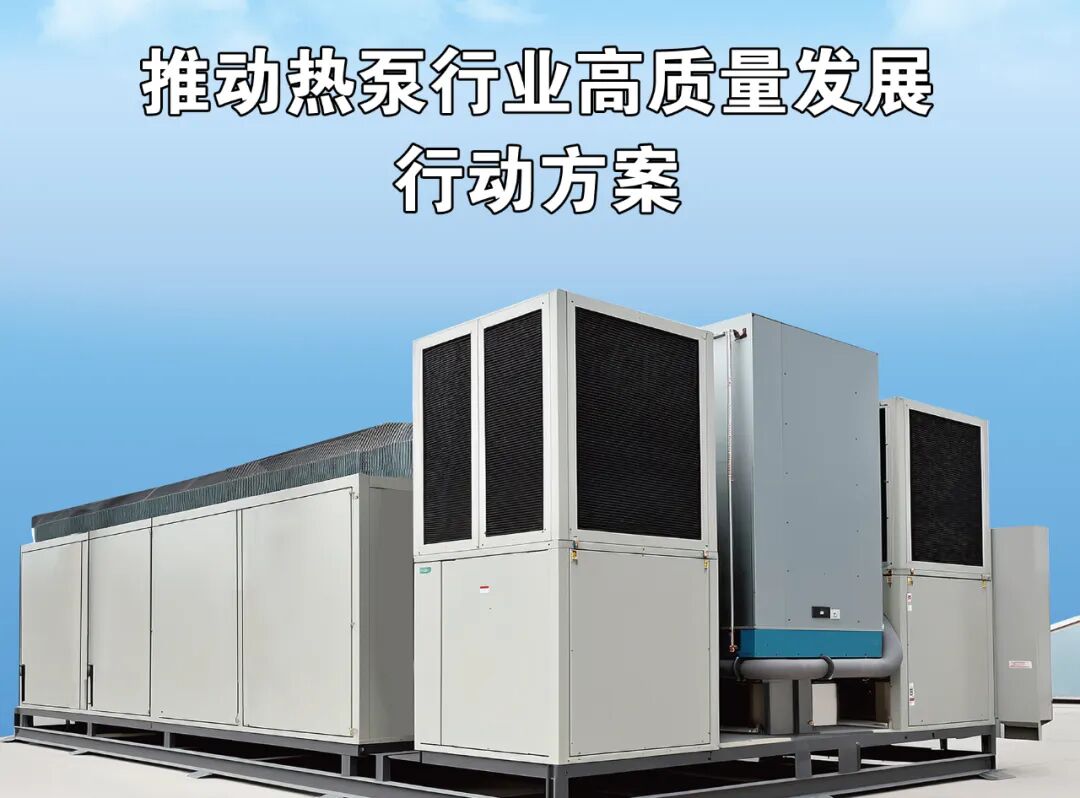
"Energy Conservation and Efficiency Improvement, Leading the Way with Innovation"—June 23-29 this year marks National Energy Conservation Awareness Week, while June 25th is the 13th National Low-Carbon Day, themed "Carbon Pioneers, Green Future." This series of promotional activities profoundly demonstrates my country's firm resolve and proactive actions in promoting energy conservation and emission reduction, and moving towards green development.
In 2024, the International Energy Agency listed heat pump technology alongside photovoltaics, wind power, and electric vehicles as one of the six major clean energy technologies. In the era of global energy transition and the "dual-carbon" goal, heat pumps, as highly efficient energy conversion devices, have become a key force in improving energy efficiency due to their unique advantage of converting low-grade heat energy into high-grade heat energy with minimal electricity consumption.
Accelerating the high-quality development of the heat pump industry is of immeasurable significance for cultivating green and low-carbon advantageous industries, promoting energy conservation and carbon reduction in key areas, and actively and steadily advancing carbon peaking and carbon neutrality. In March 2025, the National Development and Reform Commission and other departments jointly issued the "Action Plan for Promoting High-Quality Development of the Heat Pump Industry" (NDRC Circular [2025] No. 313, hereinafter referred to as the "Action Plan"). The Action Plan made systematic and comprehensive arrangements in three aspects: the promotion and application of heat pumps, industrial upgrading, and improved support and guarantees, pointing out a clear direction for the healthy and sustainable development of the heat pump industry.
As a deep-rooted player in the heat pump field, Nielsen, guided by the Action Plan, actively responded to the call of the times and carried out a comprehensive and in-depth upgrade of its heat pump product line, injecting new vitality into the high-quality development of the industry.
Energy transition and transformation give rise to new types of productivity
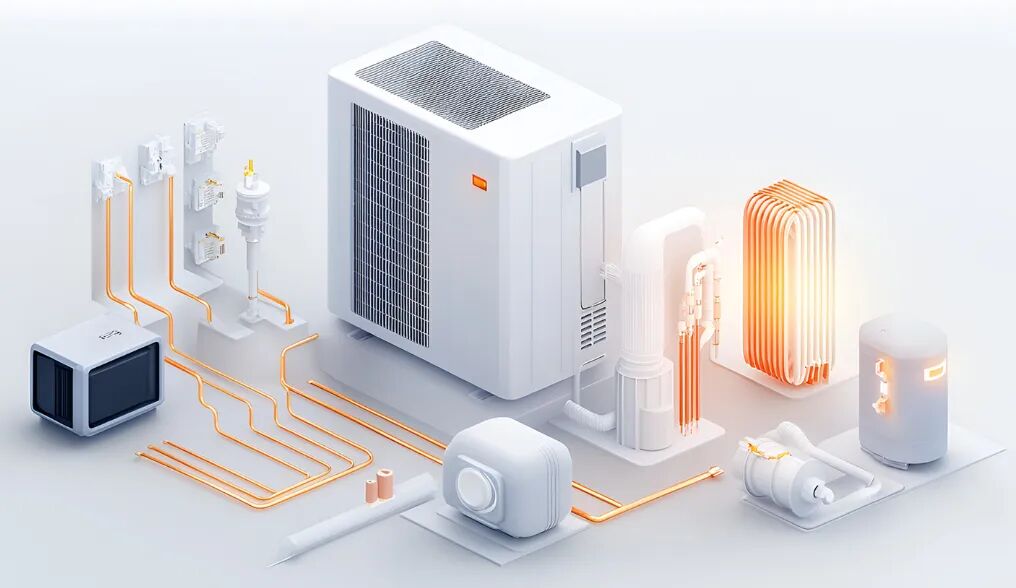
Amid the global trend of actively pursuing green and low-carbon development and accelerating energy transition, new-type productivity has become a key force driving industrial upgrading. Nielsen has keenly recognized the enormous potential of heat pump technology in the development of new-type productivity and has made it a core focus.
As a crucial supporting technology for energy transition in my country and globally, heat pump technology is not only a key pathway to replace fossil fuel consumption and meet future heating needs for production and daily life in an energy-efficient manner, but also a typical representative of new-type productivity in the green and low-carbon industry. It brings a higher-tech, more efficient, and higher-quality development model to the heating sector, driving the coordinated development of upstream and downstream industrial chains, promoting technological upgrading and product innovation in related industries, and forming a new industrial ecosystem.
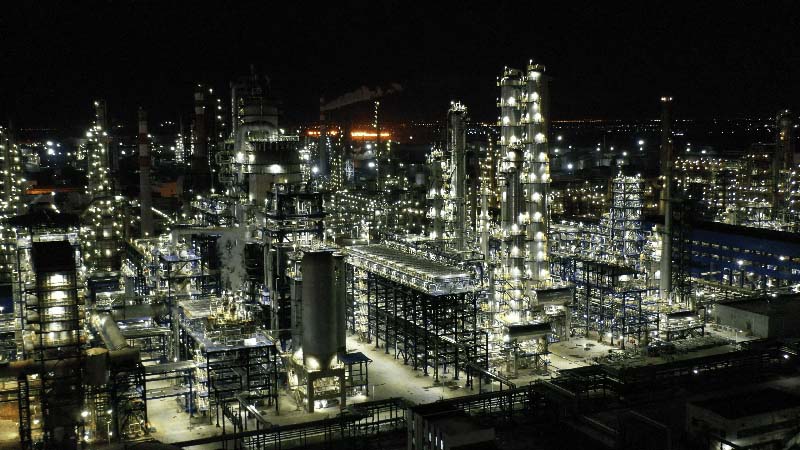
The application and promotion of heat pump technology in various scenarios has spawned a series of new business models and service formats, bringing new growth points and opportunities to the green and low-carbon industrial economy. Nielsen, adapting to local conditions, is vigorously developing the application of heat pump technology in production and daily life scenarios in the energy and chemical industries. While replacing traditional heating methods, it also promotes the upgrading of existing heat pumps, helping customers reduce fossil fuel consumption and lower carbon dioxide and pollutant emissions. Nielsen heat pump products have played a crucial role in the construction of numerous new heating systems, becoming a vital link in enterprises' energy conservation and carbon reduction efforts.
Nielsen consistently adheres to a user-centric approach, continuously optimizing its heat pump products and services, accelerating technological upgrades, and expanding application scenarios. In the future, it will better adapt to global greenhouse gas emission reduction needs, the trend towards digitalization and intelligentization, and the requirements of new energy system construction, continuously promoting the widespread application and vigorous development of new productivity in the heat pump field.
Adapting to Local Conditions and Increasing the Promotion and Application of Heat Pumps
01 Nielsen Heat Pump Series
Promoting the rapid development of the heat pump industry is a crucial support for achieving carbon peaking and carbon neutrality goals. Coordinating the application of heat pumps in various fields and actively carrying out the upgrading and transformation of existing inefficient heat pumps is of paramount importance for the high-quality development of the industry. Nielsen deeply understands this and is committed to applying heat pump technology to a wider range of scenarios, providing users with more efficient, energy-saving, and comfortable solutions.
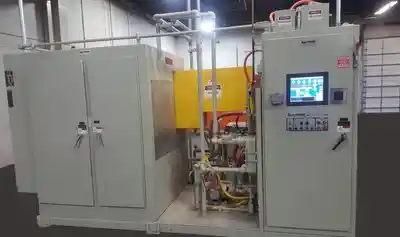
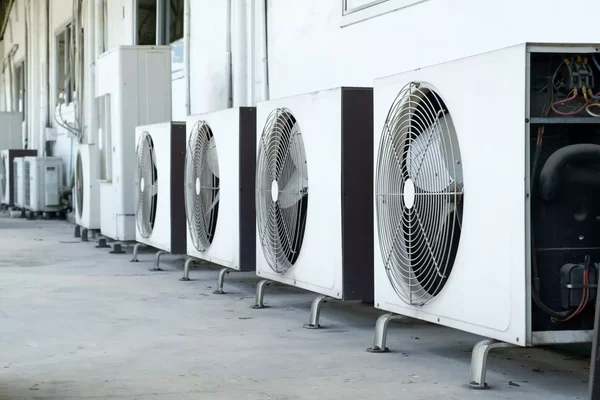
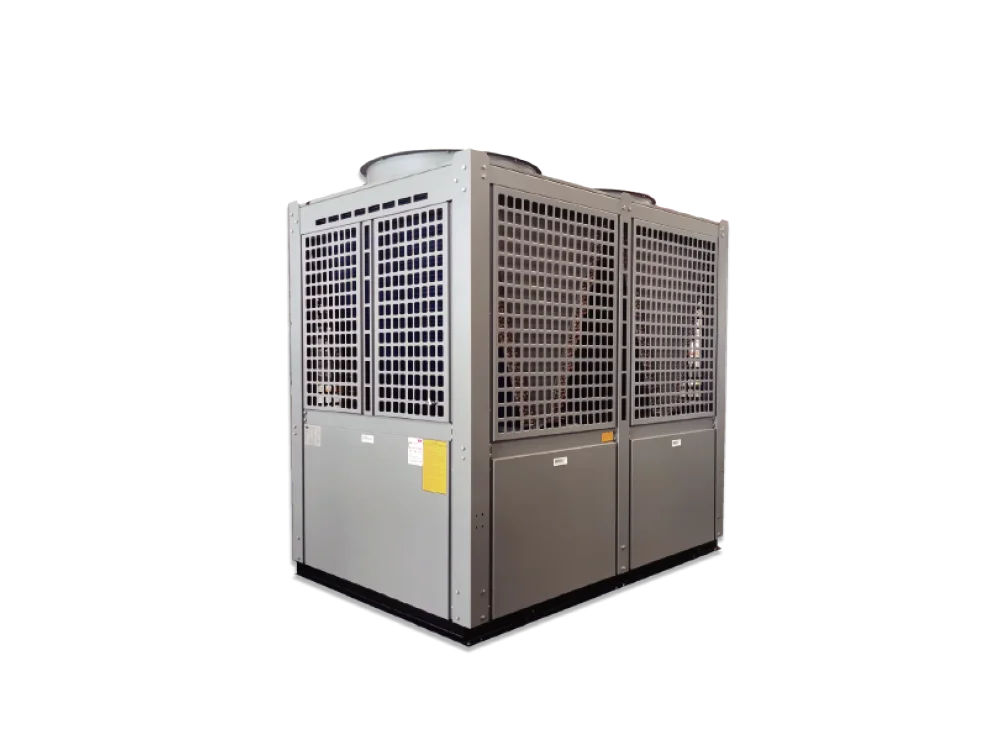
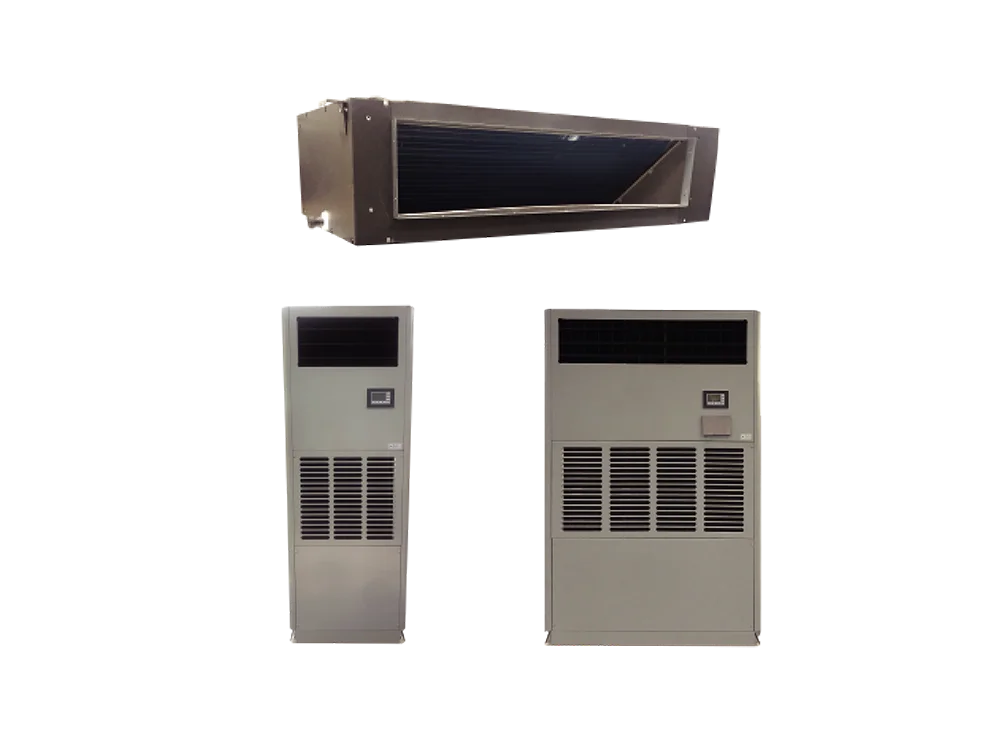
Nielsen's heat pump product series centers on air source heat pump units, encompassing four types of heat pump air conditioning units: ultra-low temperature air source heat pump water heaters, ultra-low temperature air source heat pump integrated direct expansion units, ultra-low temperature air source heat pump modular hot (chill) water units + combined air conditioning units, ultra-low temperature air source heat pump modular hot (chill) water units + fan coil units, and high-temperature heat pump units for industrial waste heat applications. These products have gained widespread market recognition due to their superior performance and broad application scenarios.

02 Case Study
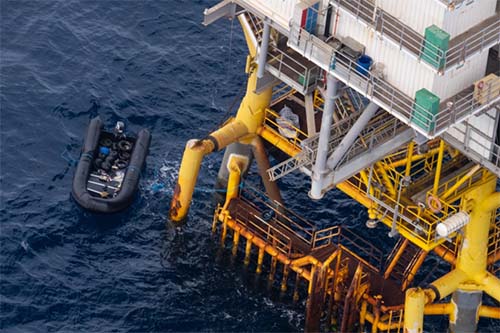
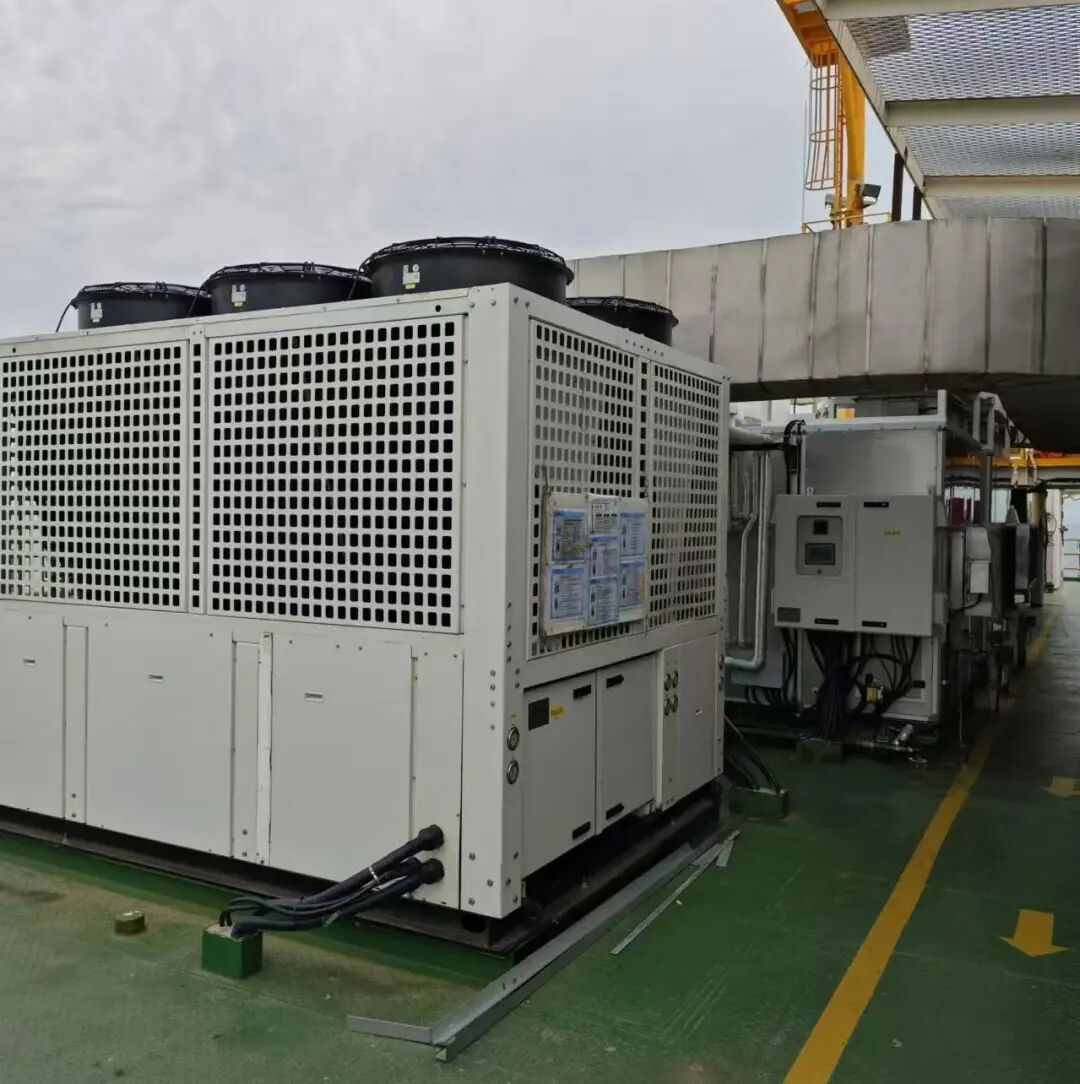
Taking a living quarters on an offshore platform as an example, the central air conditioning system on a certain platform had been in use for a long time. The components of the units showed signs of aging, resulting in a significant decrease in unit performance. This not only posed unpredictable risks but also led to a sharp increase in annual maintenance costs, no longer meeting the national "dual-carbon" policy requirements. After multiple on-site investigations and technical analyses, Nielsen selected ultra-low temperature air-source direct expansion chillers as the upgrade solution to replace the original marine direct air conditioning system.
The new unit operates independently for each system, enabling multi-level energy regulation and improving the coefficient of performance (COP) for cooling and heating by more than 15%. While achieving high efficiency and energy saving, it also boasts greater stability, easier maintenance, quieter operation, and the ability to maintain constant temperature and humidity, providing a more comfortable living and working environment for personnel on the offshore platform.
According to customer feedback, after upgrading to a 300kW air-source heat pump air conditioning system, the platform consumed less than 300,000 kWh of electricity over 12 consecutive months, achieving an energy saving rate of over 60% compared to the previous older air conditioning units with the same cooling capacity. This success story not only demonstrates the superior performance of Nelson heat pump products, but also provides valuable experience for the application of heat pumps in special scenarios such as offshore platforms, offering a model and implementation path that can be learned from for future applications in other fields.
Innovation-Driven Development Promoting the Upgrading of the Heat Pump Industry
Optimizing heat pump design and manufacturing to reduce product carbon footprint; improving the professionalism of operation and maintenance; and strengthening the research and application of advanced and applicable technologies are important paths to building a green and low-carbon competitive enterprise. Nielsen consistently regards technological innovation as the core driving force for its development, and is committed to launching more efficient, energy-saving, and environmentally friendly heat pump products.
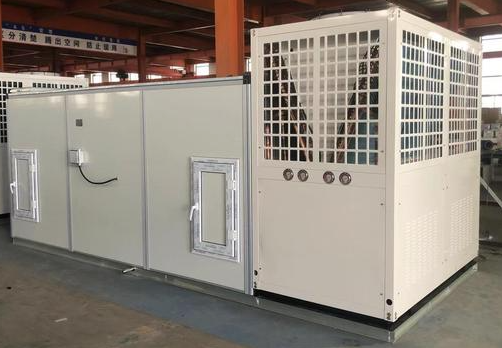
1. Ultra-Low Temperature Air Source Heat Pump Unit
This innovative product launched by Nielsen for different regional climate characteristics utilizes jet enthalpy enhancement technology, enabling a single compressor to achieve a two-stage compression effect, making the system more efficient and energy-saving. In a -20℃ low-temperature environment, the unit operates stably in heating mode, with a maximum outlet water temperature exceeding 60℃. Operating costs are reduced by more than 70% compared to traditional heating methods, making it more low-carbon, environmentally friendly, and safe. Compared to conventional air-cooled modules, this unit not only has a wider operating range but also effectively improves the cooling and heating energy efficiency ratio, especially increasing the COP by more than 20% in low-temperature heating environments. These technological innovations have not only enhanced the market competitiveness of Nelson heat pump products, but also brought tangible economic and environmental benefits to users.
2. High-Temperature Heat Pump Units
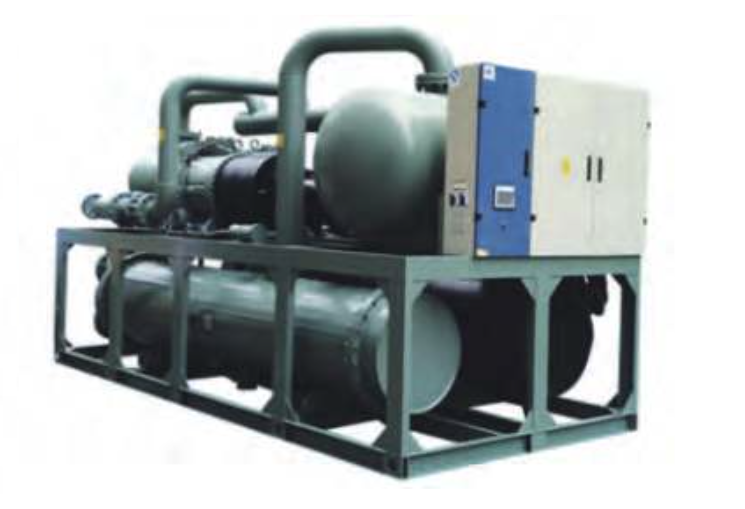
These units utilize low-grade heat sources such as waste heat, geothermal energy, etc., and transfer low-temperature waste heat to high-temperature heat sources with a small energy input. This is another significant achievement in Nelson's heat pump product series and represents an important direction for future development and application. Nelson's high-temperature water source heat pumps can recover heat from wastewater, reducing the discharge water temperature, while simultaneously providing 120°C hot water or saturated steam for production or process needs, saving more than half the electricity consumption compared to electric heating. The application of this series of innovative technologies has opened up new and broad prospects for industrial waste heat recovery, providing innovative solutions for various high-temperature heating needs in industrial production. It not only achieves efficient energy recycling and energy conservation and emission reduction, but also has positive significance for reducing energy costs and environmental pollution.
Nielsen will seize this opportunity to continuously strengthen its technological advantages, improve product quality, and dedicate itself to streamlining the pathways of technology research and development,成果转化 (technology transfer), and industrial application. It aims to launch more efficient, energy-saving, and environmentally friendly heat pump products to meet the needs of diverse users.
Collaborative Development, Improving the Support System
As an emerging industry, heat pumps are still in their development and cultivation phase, and are also at a critical stage of consolidating their first-mover advantage and enhancing international competitiveness. The Action Plan clearly states that the development of the heat pump industry requires strengthening installation, use, and construction support; enhancing comprehensive policy support; leveraging the leading and supporting role of standards; and deepening international cooperation in the heat pump field. Nielsen actively responds to these requirements, collaborating with all parties to jointly improve the support system for the heat pump industry.
1. Installation, Use, and Construction Support
Nielsen regularly organizes professional training courses for technical personnel and has established a complete set of installation standards and procedures to ensure the installation quality and operational performance of heat pump products reach their optimal state. In addition, Nielsen will strengthen user training and technical support to improve users' operation and maintenance skills, thereby extending product lifespan and creating greater value for users.

2. Standards Guidance and Support
Nielsen consistently maintains a rigorous attitude, strictly adhering to national and industry standards in its production and testing operations. It continuously strengthens its standardization system, improving management efficiency and product quality stability through optimizing internal management processes and enhancing employee professional skills.
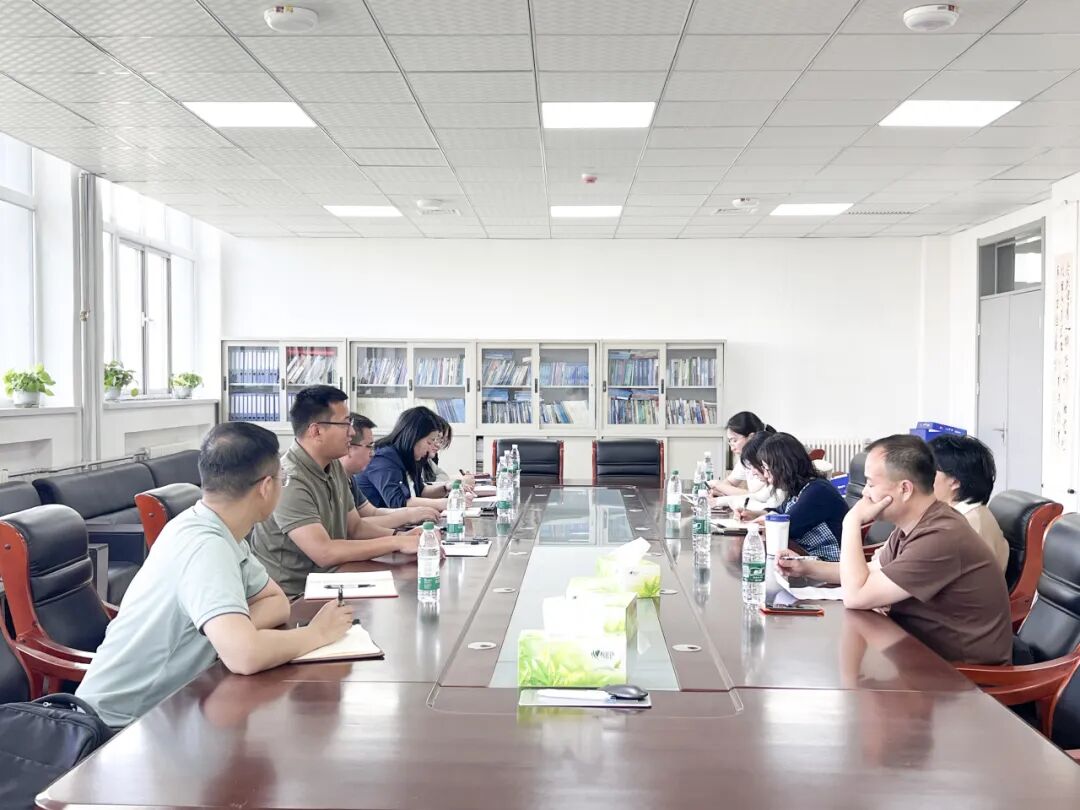
Furthermore, Nielsen actively engages in exchanges with industry peers and universities, participating in various technical exchange meetings to jointly explore directions for industrial technology upgrading and the improvement of industry standards. By leveraging the research capabilities and academic resources of universities, Nielsen achieves complementary advantages and mutual development with these institutions.
3. Deepening International Cooperation
In the future, Nielsen will also introduce advanced technologies and management experience through technical exchanges and project cooperation with leading international companies, continuously improving its technological level and innovation capabilities. Simultaneously, it will leverage international cooperation platforms to expand into overseas markets, enhance its international reputation and influence, gradually strengthen its international competitiveness, and gain more say for my country's heat pump industry on the international stage.
2025 marks the 5th anniversary of Nielsen's major strategic declaration on carbon peaking and carbon neutrality, and the 20th anniversary of the implementation of the energy efficiency labeling system. Looking back, under the guidance of various policies and guidelines, Nielsen has cultivated its expertise in the electrical field and achieved remarkable results. Since its establishment, the heat pump product line has seen continuous growth, and in 2025, guided by the "Action Plan," it has achieved a comprehensive upgrade: product performance has been significantly improved, with key indicators such as energy efficiency ratio and stability reaching industry-leading levels, providing efficient and environmentally friendly energy solutions for different application scenarios.
These achievements are inseparable from the hard work and dedication of all Nielsen employees, as well as the policy support from the government, the standardized guidance from industry associations, the close collaboration with partners, and the trust and support of our users. Through collaborative efforts, all parties have jointly propelled Nielsen's development.
According to the goals set forth in the Action Plan, by 2030, the heat pump market will achieve an average annual sales growth of over 20%, with product energy efficiency improving by over 20%. Breakthroughs will be achieved in core technologies such as high-power high-temperature heat pumps, high-efficiency compressors, and new refrigerants. The application scope of heat pump technology in construction, industry, and agriculture will significantly expand, with the market size expected to reach over 100 billion yuan, and a trillion-yuan market potential gradually being released.
Looking to the future, we firmly believe that under the guidance of the Action Plan, and with the joint efforts of the government, industry associations, partners, users, and all Nielsen employees, Nielsen's heat pump product line will reach new heights and usher in a broader prospect for development. Nielsen will work hand in hand with industry colleagues to contribute to promoting energy transformation, achieving "dual-carbon" goals, and building a beautiful China, jointly writing a new chapter in the green development of the heat pump industry.
 在线客服
在线客服
